Introduction to the Proverbs
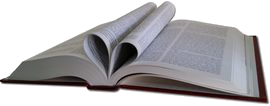
The 20th book of the Bible, teachings for a life pleasing to God
Proverbs is also called the “Book of Proverbs” or “Proverbs of Solomon,” after the author mentioned at the beginning, the third king of Israel.
The English name “Proverbs” derives from the Latin Vulgate, where the book is referred to as “Liber proverbiorum Salomonis” or, in short form, “Proverbia.”
In the Hebrew Tanakh, the title is “Mishlei,” which can be translated as “Parables.”
In the book itself, “wise men” are mentioned quite generally as co-authors, though their sayings may have already been recorded by Solomon.
Chapter 30 is attributed to a man named Agur, and in Chapter 31, advice from his mother is directed to Lemuel, the king of Massa.
Neither is otherwise known, and some biblical interpreters consider these names to be merely pseudonyms or titles of Solomon.
According to Jewish tradition, the final compilation of Proverbs did not take place until the time of a descendant of Solomon, King Hezekiah, around 700 B.C.
The author’s son is mentioned several times as the original recipient—likely Rehoboam—but children in general (Chapter 4, Verse 1) and all of humanity are also addressed (Chapter 8, Verse 4).
The central theme of the book is the wisdom of God—another name for Jesus Christ (1 Cor. 24:30)—and, in contrast, the behavior of fools and wicked people.
For the most part, this knowledge is conveyed in the form of short proverbs of wisdom that cover all aspects of human life and are not limited to rules of conduct, but also depict the attitudes of the heart that are pleasing to God.
Many of these proverbs have become firmly established in our language to this day, such as chapter 26, verse 27a: “Whoever digs a pit for others will fall into it themselves.”
The Book of Proverbs concludes with a hymn of praise to the virtuous woman as the crown of her husband.
In the biblical canon, we find the Proverbs of Solomon at the center of wisdom literature; in the Jewish Tanakh, the book is placed in the third section, the Writings (Ketuvim), following the Psalms.
Outline of Proverbs:
Chapters 1–9 – First collection of Solomon’s proverbs, also serving as an introduction and revelation of wisdom
Chapters 10 through 22, verse 16 – Discourses and individual proverbs of Solomon
Chapter 22, verse 17 through Chapter 24 – Sayings of the wise
Chapters 25 through 29 – Sayings of Solomon added to the collection by King Hezekiah’s agents
Chapter 30 – The sayings of Agur
Chapter 31, verses 1–9 – Advice from the king’s mother to her son Lemuel
Chapter 31, verses 10–31 – A Song of Praise for the Virtuous Women
Content of the Proverbs:
The book of ProverbsI. First Collection of the Proverbs of Solomon (Chapters 1-9)
- Proverbs chapter 1
- Proverbs chapter 2
- Proverbs chapter 3
- Proverbs chapter 4
- Proverbs chapter 5
- Proverbs chapter 6
- Proverbs chapter 7
- Proverbs chapter 8
- Proverbs chapter 9
II. Second Collection of 375 (mostly individual) Proverbs of Solomon (10:1-22:16)
- Proverbs chapter 10
- Proverbs chapter 11
- Proverbs chapter 12
- Proverbs chapter 13
- Proverbs chapter 14
- Proverbs chapter 15
- Proverbs chapter 16
- Proverbs chapter 17
- Proverbs chapter 18
- Proverbs chapter 19
- Proverbs chapter 20
- Proverbs chapter 21
- Proverbs chapter 22
III. First Collection of Sayings of the Wise (22:17-24:22)
IV. Zweite Sammlung von Aussprüchen der WeisenV. Third Collection of Proverbs of Solomon (Chapters 25-29)
VII. Proverbs for Lemuel (Mirror for Princes)
VIII. In Praise of the Capable Housewife
Proverbs chapter 1
Proverbs chapter 2
Proverbs chapter 3
Proverbs chapter 4
Proverbs chapter 5
Proverbs chapter 6
Proverbs chapter 7
Proverbs chapter 8
Proverbs chapter 9
Proverbs chapter 10
Proverbs chapter 11