Introduction to the prophet Micah
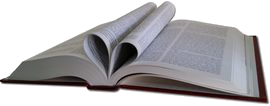
The 33rd book of the Bible, consisting of 7 chapters
A “colleague” of Isaiah—returning to God and His path
The name of the prophet Micah is a short form of Michayah or Michael—both of which
means “Who is like God?”—so one could say Micah means “Who is like Him?”
“Jah” stands for the name of the God of the Bible: YHWH—and “El” or, depending on the dialect, “Al” for the “supreme” deity of the ancient Orient.
Micah comes from Moresheth-Gath, a small village in Judah. He earned his living as a simple farmer, and the message of this sixth of the “minor” prophets was directed primarily at the common people in Jerusalem and Judah.
Much of his message resembles what the prophet Isaiah proclaimed in the name of God—at the same time—at the royal court before the leaders of the southern kingdom of Judah.
Both prophets have the same message from God—repent!—but they must direct this message to different audiences.
Despite the two men’s differing backgrounds, education, and social standing, both books of the prophets serve as models of the art of Hebrew poetry.
A century later, the prophet Jeremiah mentions this prophet Micah of Moresheth (Jer. 26:18), during whose time King Hezekiah and the people humbled themselves—and God was therefore able to spare the southern kingdom of Judah from judgment.
Micah’s call to prophethood begins around the middle of the 8th century B.C., as Amos’s ministry in the Northern Kingdom comes to an end and the prophet Hosea continues to minister there until the destruction of Samaria and the Kingdom of Israel by the Assyrians around 722 B.C.
The prophet delivers three major speeches, all of which begin with the word “Hear.” It is a great call to repentance.
Back to humbleness, mercy, and justice—back to what God desires from us.
Back to the Prince of Peace, the Messiah, who is to come—and under whose reign humanity will beat their swords into plowshares. 🙂
Outline of the Prophet Micah:
Chapters 1–3 – First Speech
Chapters 4–5 – Second Speech
Chapters 6–7 – Third Speech
Content of the Book of Micah:
- Micah chapter 1
- Micah chapter 2
- Micah chapter 3
- Micah chapter 4
- Micah chapter 5
- Micah chapter 6
- Micah chapter 7